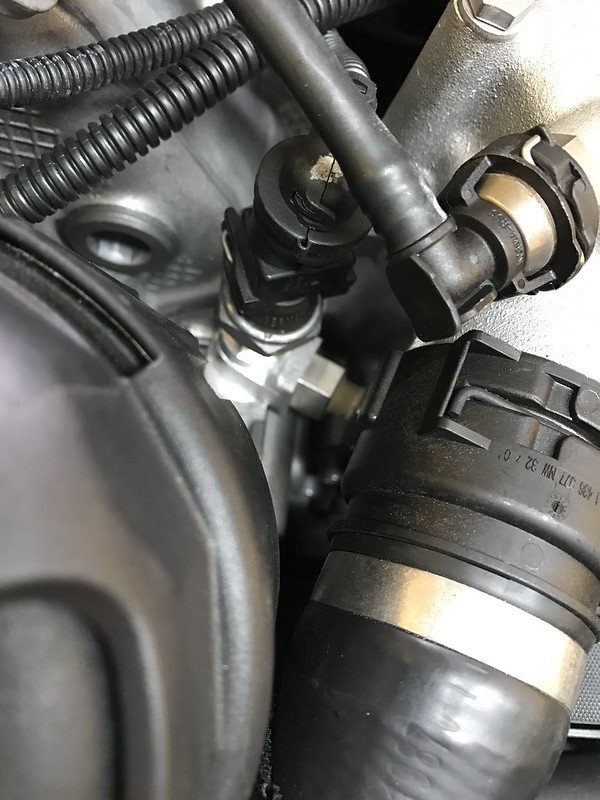
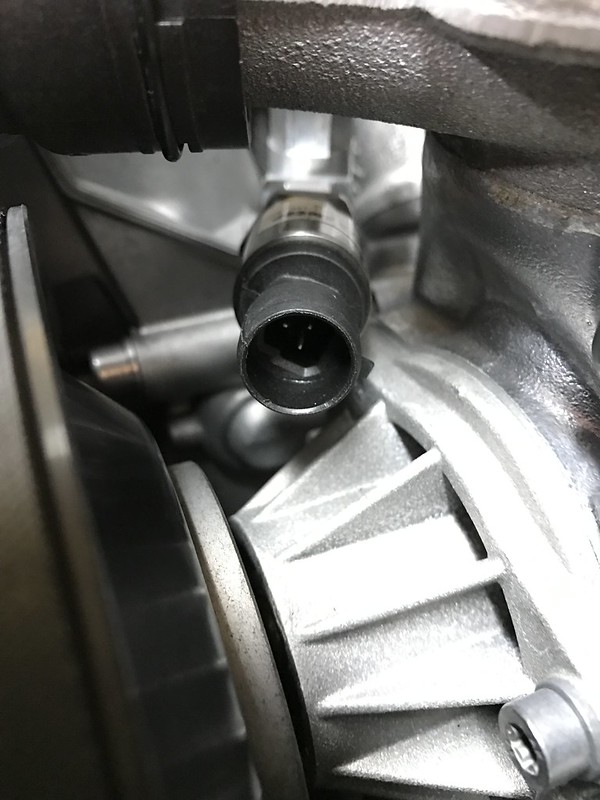
ThatWhiteM3 wrote It does vary like you said based on rpm temp and other factors. But wat you do is find out for example pressure on normal cruising speed which will hold rpm in place. For example at fixed 60 mph in 6th gear would be 80psi and that would keep rpm at 3000rpm (just an example). Now u know what it is at that speed and that rpm. If there's a weariness then at the same speed and rpm pressure would be different.
I think there are many things wrong with this example.
At a constant RPM and constant load (your example above), after a few seconds the variable displacement pump will intentionally lower the pressure. So that example isn't going to work.
You would also need to know how much pressure to look for. If it were as little 1-2 PSI drop, you'll never know if it's due to worn bearings or not. During the BE Bearings test, we saw the increased clearance bearings dropped oil pressure only by 1-2 PSI. So I don't think this method is going to work either.
The oil viscosity changes at different heat ranges, and this is going to affect oil pressure. If you haven't done so, go look up the BE Bearings tests posted by Auto Talent on this forum. The oil viscosity also changes with age (miles on the oil). You would need to memorize how the oil behaves under all the heat ranges, how it behaves with increased miles, be looking for as little as 1-2 PSI difference, and make sure you check your readings before the variable displacement pump lowers the pressure on its own.
Like I said earlier, I don't think this is a solvable problem to just look at oil pressure and deduce if you have excessive bearing wear.