6.6KVIEWS
43REPLIES
16APPRECIATES
04-29-2020LAST POST
Guys,

Just wanted to confirm with everyone if this is indeed my issue or not:

I did my brake flush and that lead to a small leak around the reservoir cap.
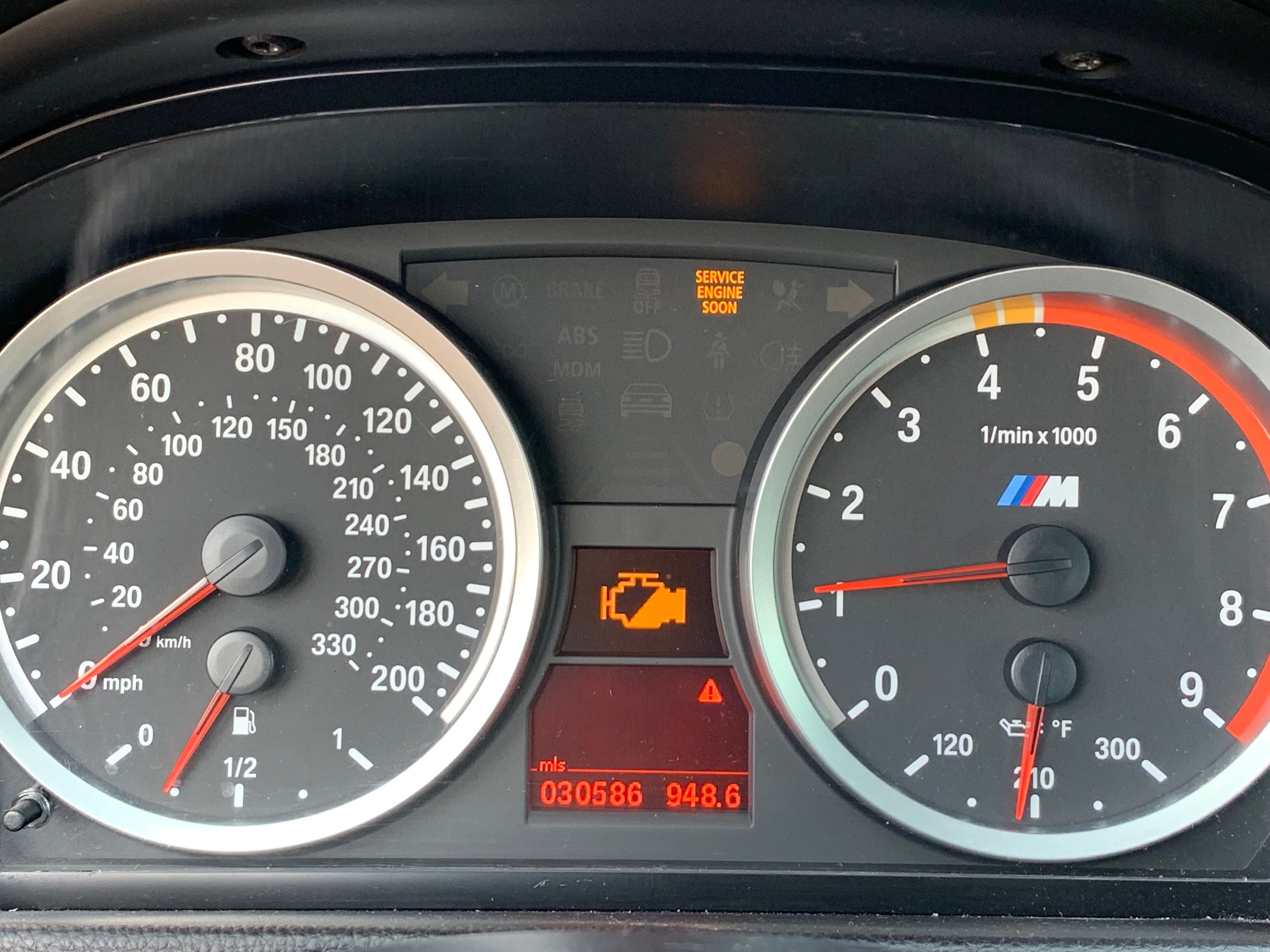
After 10 days got reduced engine power with increased emissions.

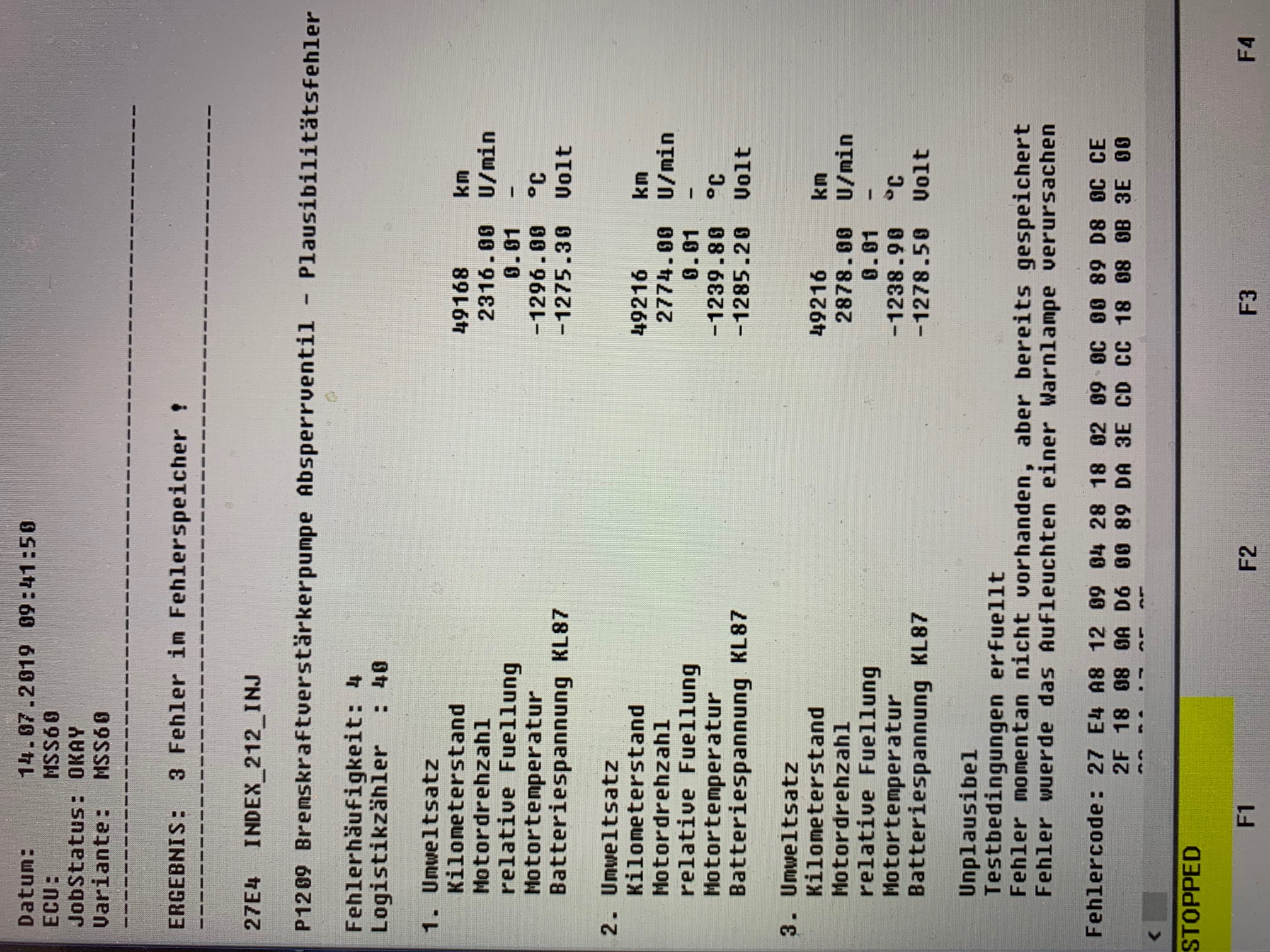
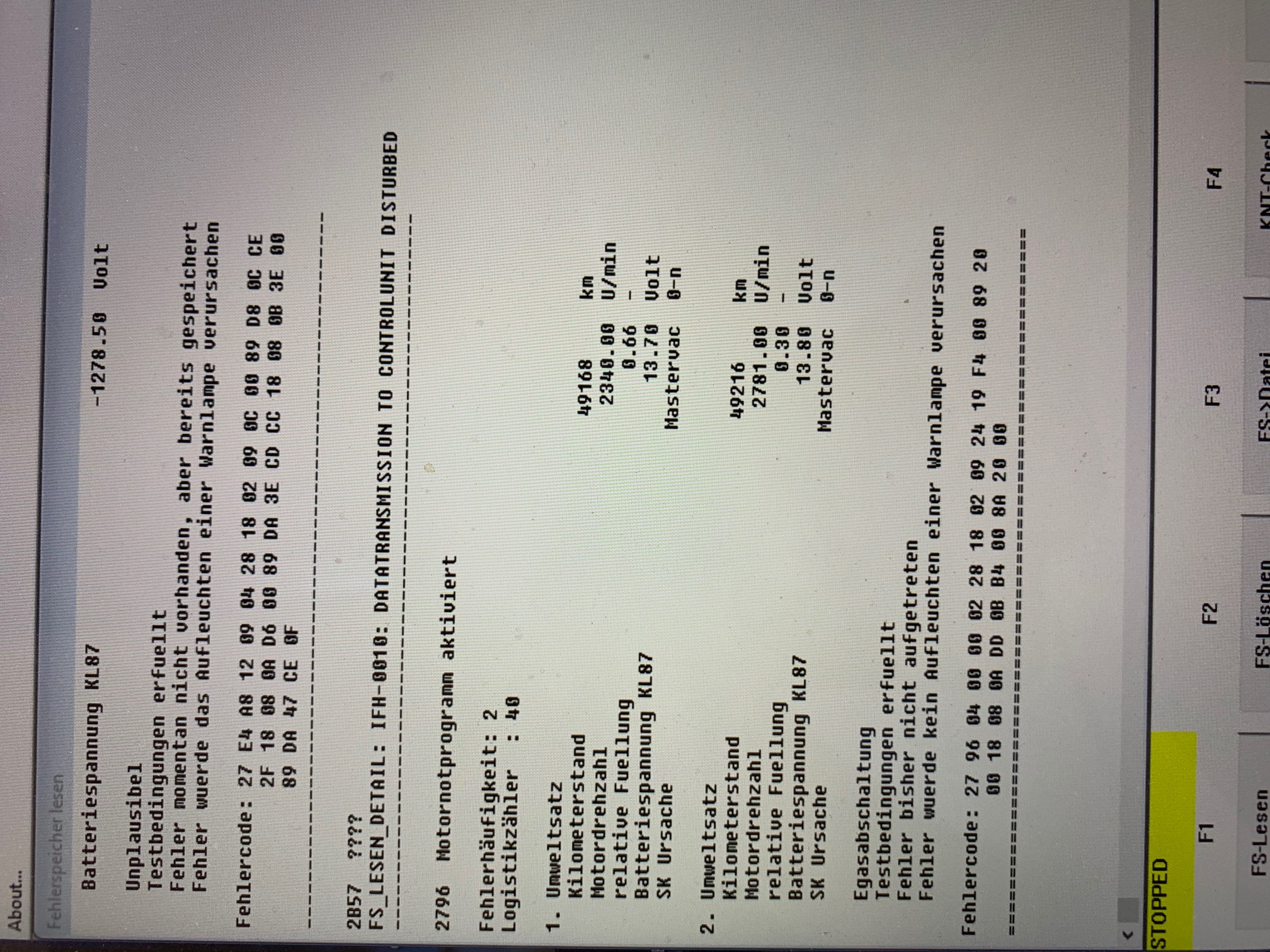
Adding codes below - based on my research it seems quite clear that it is the brake booster sensor. Just need to understand why I am getting the Increased Emission? How can that be related to Brake Booster Sensor?

:cry:
Attached imageAttached imageAttached image
Absolutely 100% the sensor. Got the same message as well. You should be getting a 27e4 code.
Yeah I fixed One of these yesterday, it’s common that brake fluid spills onto the sensor which is directly below the reservoir and the sensor is rendered garbage and causes limp mode.

Changing the sensor involves changing the vacuum pipe because it comes with the pipe. The TIS directions indicate removing the reservoir and the master cylinder but I was Able to change it without doing this. It is a bit harder but you won’t have to bleed the brakes again. With the engine off press the brake a couple times to get out the vacuum in the system. Remove the clamp connecting the pipe to the engine vacuum pipe, it’s a one time clamp. You’ll need a pick to unclog the sensor and another pick to pull the connector back. Remove the end going into the brake booster with a long flat head then undo the end of it near the fender. Push in the blue release and pull it out. To get the engine line out will take some patience, you’ll need to slip it under the booster then out the drivers side.
amrazM wrote
Yeah I fixed One of these yesterday, it’s common that brake fluid spills onto the sensor which is directly below the reservoir and the sensor is rendered garbage and causes limp mode.

Changing the sensor involves changing the vacuum pipe because it comes with the pipe. The TIS directions indicate removing the reservoir and the master cylinder but I was Able to change it without doing this. It is a bit harder but you won’t have to bleed the brakes again. With the engine off press the brake a couple times to get out the vacuum in the system. Remove the clamp connecting the pipe to the engine vacuum pipe, it’s a one time clamp. You’ll need a pick to unclog the sensor and another pick to pull the connector back. Remove the end going into the brake booster with a long flat head then undo the end of it near the fender. Push in the blue release and pull it out. To get the engine line out will take some patience, you’ll need to slip it under the booster then out the drivers side.
Thank you for the detailed explanation sir.

One question - the clamp connnecting the pipe to engine vacuum pipe is a one a time clamp so do I need to order that or is that something that comes part of the booster assembly I am gonna order?
The alternative is to just replace the sensor itself. 2 Torx screws and a lot of patience. I have done it that way without removing the lines at all. You would need a long wobble extension, a long screwdriver to push the sensor over a little to get to the torx bolts and an extendable magnet. Took me about 30 minutes.
330ciprem wrote
Thank you for the detailed explanation sir.

One question - the clamp connnecting the pipe to engine vacuum pipe is a one a time clamp so do I need to order that or is that something that comes part of the booster assembly I am gonna order?
11151726339 That’s the part number, it requires a special tool to crimp it.
amrazM wrote
11151726339 That’s the part number, it requires a special tool to crimp it.
In that case I will try to do just the sensor.

Thank you :)
Good luck getting the sensor out of that spot
Using long needle-nose pliers, a telescoping magnet, a swivel socket on an extension, and the appropriate torx bit, you can remove and replace the sensor in 10-30 min with the only items removed being the cowl cover and the brake fluid reservoir cover. You will also want to un-clip the partition which the vacuum line runs through (just to the left of the reservoir). Then you can move the line to move the sensor, and reach the torx screws. Use the magnet to remove and replace the torx screws. It isn't that bad.
Is it possible to mess with this sensor and not throw a code? I ask because I often hear a buzzing sound when I’m on the brakes, far more often than I think I should. My car feels/brakes just fine and the brakes, while near end of life, are within spec check out. No codes, just not sure if this buzzing is normal. It’s been like this since I got the car (1 year, 3K), and it had a brake flush right before.
wyatth wrote
Is it possible to mess with this sensor and not throw a code? I ask because I often hear a buzzing sound when I’m on the brakes, far more often than I think I should. My car feels/brakes just fine and the brakes, while near end of life, are within spec check out. No codes, just not sure if this buzzing is normal. It’s been like this since I got the car (1 year, 3K), and it had a brake flush right before.
If you are getting the brake vacuum pump running continuously there a low Vacuum condition or the sensor isn’t working accurately.
1 stupid question:
Do I need to slightly remove brake fluid from the reservoir to do this job? Or can I leave the cap on and just move it?
No need to do so. It will not effect the fluid level at all. That said, if it is overfilled from when you flushed the system, get it down to the max level. Other than that you are good.
wyatth wrote
Is it possible to mess with this sensor and not throw a code? I ask because I often hear a buzzing sound when I’m on the brakes, far more often than I think I should. My car feels/brakes just fine and the brakes, while near end of life, are within spec check out. No codes, just not sure if this buzzing is normal. It’s been like this since I got the car (1 year, 3K), and it had a brake flush right before.
Yes, my car only threw a code (and had limp mode) on track. On the street I just had the annoying pump buzzing a lot with no code. You shouldn't notice the pump operating regularly if the sensor is good and the system is working properly.
Another noob question - will this sensor DIY make any difference in the pedal feel?

The reason I ask is that the pedal has become spongy after the flush although there weren't any air bubbles
Thanks, probably the sensor. Works fine but I hear the buzzing more than I think I should be. Given that it works fine, is this something I should address ASAP (risk of some runaway damage) or is waiting until my next brake job okay (if I am otherwise fine with the buzzing)?
330ciprem wrote
Another noob question - will this sensor DIY make any difference in the pedal feel?

The reason I ask is that the pedal has become spongy after the flush although there weren't any air bubbles
Actually, just the opposite. If you were to feel an effect from a bad sensor, it would be a harder pedal due to the fact that the brake booster is starved for vacuum. Performance engines don't make sufficient vaccum so manufacturers add a vacuum pump to increase vacuum on the booster. When the sensor and secondary pump is working properly, you will only only hear the pump run on occasion for short periods of time, and only noticeably when you first hit the brakes after a start, like when backing out of a garage.
wyatth wrote
Thanks, probably the sensor. Works fine but I hear the buzzing more than I think I should be. Given that it works fine, is this something I should address ASAP (risk of some runaway damage) or is waiting until my next brake job okay (if I am otherwise fine with the buzzing)?
If the sensor is going bad it gets progressively worse. You will hear the electric pump more often and it will eventually throw a code and reduced power warning. You can also have a bad check valve or a crack in one of the plastic hoses. 99% of the time it is the sensor if any brake work was done and possibly allowed an overflow of fluid. Even a few drips on the sensor connector will fry it.
wyatth wrote
Thanks, probably the sensor. Works fine but I hear the buzzing more than I think I should be. Given that it works fine, is this something I should address ASAP (risk of some runaway damage) or is waiting until my next brake job okay (if I am otherwise fine with the buzzing)?
I would address it quickly. Pump operation will become excessive. I wouldn't want to kill the pump as well.
Bartledoo wrote
I would address it quickly. Pump operation will become excessive. I wouldn't want to kill the pump as well.
How excessive in your case? I have a new sensor ready, and have for two years - my pump will run for 30-60 seconds on start if it's been sitting overnight.

No codes, but expecting it to get worse, when it hasn't.
kerrit wrote
How excessive in your case? I have a new sensor ready, and have for two years - my pump will run for 30-60 seconds on start if it's been sitting overnight.

No codes, but expecting it to get worse, when it hasn't.
I havent Heard my pump run since April when it was still cold out.