

A resounding pain-point I see on this forum is many people not being able to read their oil level. Whether it be after an oil change, over the road reading, underfilling/overfilling their oil, etc.--it all calls into question getting a "good reading" on what the actual oil level is. Some have even gone to the extravagant level of retrofitting a dipstick to the oil pan. This seems excessive and unnecessary to me, but may-be needed in some racing applications where the stock DME and/or KOMBI is not used.
Successfully, I was able to do some experimenting via INPA and found a DME section where you can see a static reading of the oil level sensor in the sump. I did this with an oil change and measured out exactly 9.5 quarts of added oil after draining everything in the car including the left over bit in the OFH. Do keep in mind that there is roughly 3+ quarts of oil all throughout the oil cooler, galleys, VANOS, pumps, heads, etc. that is left over residually.
From a completely dry-engine/fresh-rebuild and empty oil cooler, I find that the total oil in the system capacity is around 12+ quarts.
Here is BMW's explanation of the Oil Condition Sensor. This is good to understand the concept of digitally evaluating and reading level. Review the attachment I posted on this.
https://www.m3post.com/forums/showpost.php?p=30813620&postcount=33
Remember that oil quality is the measure of excess condensate in the oil--not how "good" or brand your oil is.
The DME uses this sensor via the BSD or LIN data. Keep in mind that there are THREE things the DME uses this bus for: Alternator, IBS, and Oil Condition Sensor. This means that if any one of those items on the BSD bus is "shorted" or malfunctioning, then everything potentially on that bus will be--including the oil level sensor.

Now to read this static level, make sure your car is level on the ground.
How do I know my car is level? - Put a small level gauge in your door jamb where the ///M door sill is to get a good idea.
Then utilize INPA and find the report out.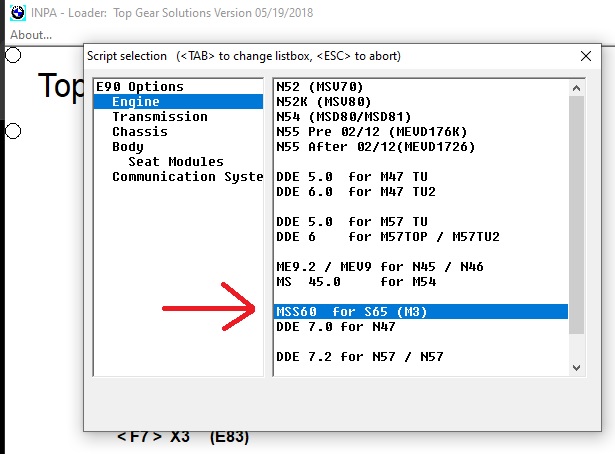
Successfully, I was able to do some experimenting via INPA and found a DME section where you can see a static reading of the oil level sensor in the sump. I did this with an oil change and measured out exactly 9.5 quarts of added oil after draining everything in the car including the left over bit in the OFH. Do keep in mind that there is roughly 3+ quarts of oil all throughout the oil cooler, galleys, VANOS, pumps, heads, etc. that is left over residually.
From a completely dry-engine/fresh-rebuild and empty oil cooler, I find that the total oil in the system capacity is around 12+ quarts.
Here is BMW's explanation of the Oil Condition Sensor. This is good to understand the concept of digitally evaluating and reading level. Review the attachment I posted on this.
https://www.m3post.com/forums/showpost.php?p=30813620&postcount=33
Remember that oil quality is the measure of excess condensate in the oil--not how "good" or brand your oil is.
The DME uses this sensor via the BSD or LIN data. Keep in mind that there are THREE things the DME uses this bus for: Alternator, IBS, and Oil Condition Sensor. This means that if any one of those items on the BSD bus is "shorted" or malfunctioning, then everything potentially on that bus will be--including the oil level sensor.
Now to read this static level, make sure your car is level on the ground.
How do I know my car is level? - Put a small level gauge in your door jamb where the ///M door sill is to get a good idea.
Then utilize INPA and find the report out.
