
2.2MVIEWS
441REPLIES
1.9KAPPRECIATES
YesterdayLAST POST
If you want to see what happens when an actual astrophysicist and Formula One engineer decides the motorcycle industry isn't pushing the envelope hard enough, you look directly at the Tularis 800. This isn't a factory prototype or a well-funded corporate racing program; it is the mad-scientist brainchild of Dr. Robin Tuluie. Built quite literally in a home garage, the Tularis is the ultimate expression of the two-stroke dark arts, a one-off track weapon designed to embarrass million-dollar factory superbikes with nothing but sheer, terrifying power-to-weight math and radical out-of-the-box thinking.
The absolute lunacy of this build starts right in the engine bay, where Tuluie bypassed traditional motorcycle powerplants entirely. Instead, he shoehorned in a heavily modified 792cc to 800cc liquid-cooled, two-stroke parallel-twin yanked straight out of a Polaris snowmobile. But he didn't just bolt it in; he completely re-engineered the engine to handle the unique stresses of asphalt racing. Breathing through massive, custom-fabricated expansion chambers, this snow-machine-turned-superbike motor produces a genuinely unhinged 165 to 185 horsepower. It delivers the kind of brutal, light-switch powerband that makes even a vintage Grand Prix machine feel a bit tame, delivering a massive wallop of torque completely devoid of the electronic safety nets that modern riders rely on.
Putting that much raw, violent two-stroke power into a standard frame would be a recipe for disaster, so Tuluie designed a chassis that was just as radical as the engine. Utilizing his background in aerospace and elite motorsport, he crafted a bespoke structure using advanced cast aluminum and carbon fiber components to keep the mass centralized and incredibly low. The result is a motorcycle that tips the scales at a featherweight 262 pounds. When you do the math, the Tularis 800 boasts a power-to-weight ratio that rivals or outright beats the legendary 500cc two-stroke GP machines of the era. It accelerates with the ferocity of an open-class superbike but flicks into a corner with the physical effort of a 250cc production racer.
The reality of the Tularis 800 is that it represents the absolute zenith of garage-built rebellion. It demands a pilot with the reflexes of a fighter pilot and the physical strength to wrestle a massive-displacement two-stroke that wants to spin the rear wheel out of every corner at 140 mph. For the hardcore gearhead who grew up worshiping the smell of premix and the screech of twin pipes, the Tularis stands as a mythical unicorn. It proves that with enough mechanical genius, a snowmobile engine, and a complete disregard for convention, one guy with a vision can build the ultimate analog widowmaker.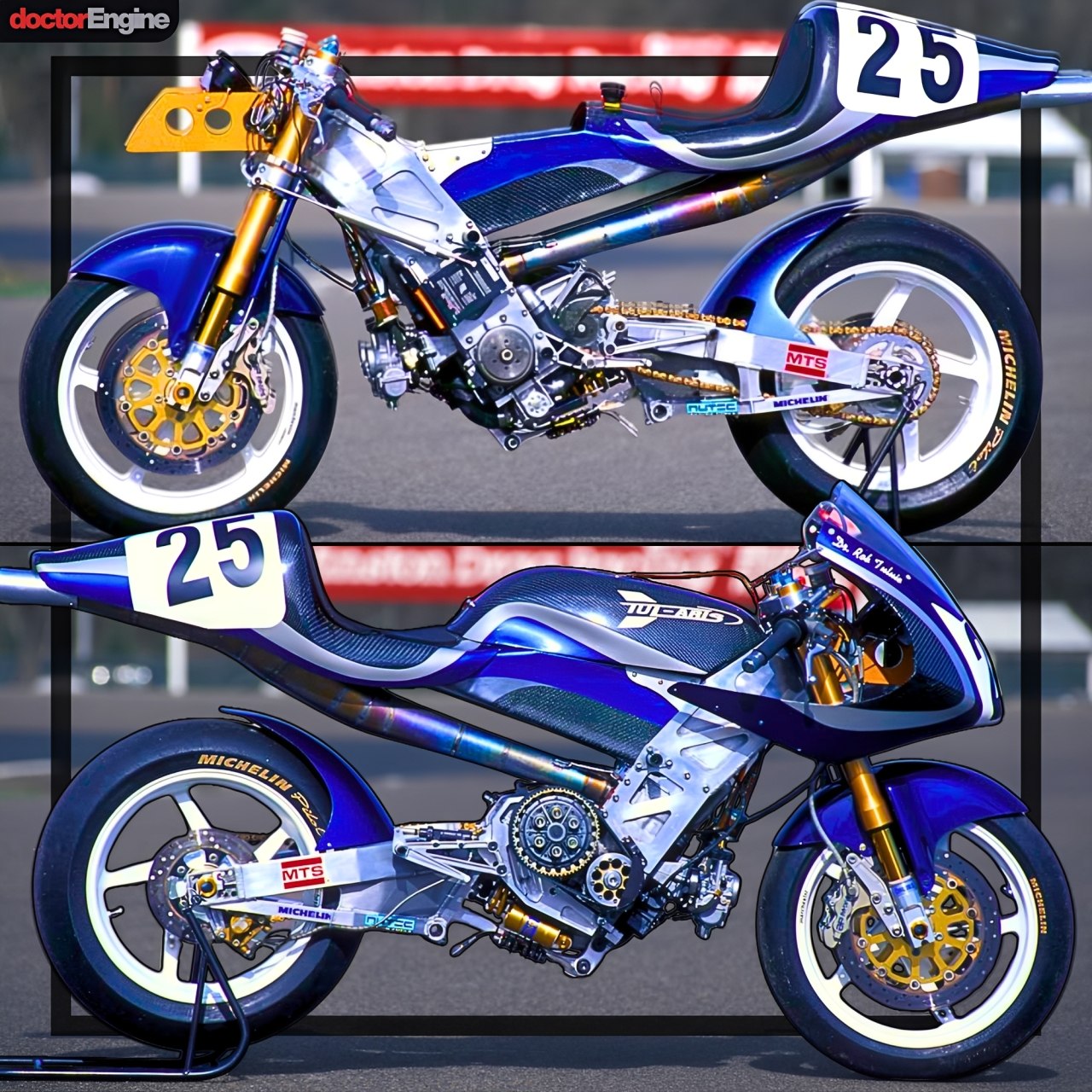
The absolute lunacy of this build starts right in the engine bay, where Tuluie bypassed traditional motorcycle powerplants entirely. Instead, he shoehorned in a heavily modified 792cc to 800cc liquid-cooled, two-stroke parallel-twin yanked straight out of a Polaris snowmobile. But he didn't just bolt it in; he completely re-engineered the engine to handle the unique stresses of asphalt racing. Breathing through massive, custom-fabricated expansion chambers, this snow-machine-turned-superbike motor produces a genuinely unhinged 165 to 185 horsepower. It delivers the kind of brutal, light-switch powerband that makes even a vintage Grand Prix machine feel a bit tame, delivering a massive wallop of torque completely devoid of the electronic safety nets that modern riders rely on.
Putting that much raw, violent two-stroke power into a standard frame would be a recipe for disaster, so Tuluie designed a chassis that was just as radical as the engine. Utilizing his background in aerospace and elite motorsport, he crafted a bespoke structure using advanced cast aluminum and carbon fiber components to keep the mass centralized and incredibly low. The result is a motorcycle that tips the scales at a featherweight 262 pounds. When you do the math, the Tularis 800 boasts a power-to-weight ratio that rivals or outright beats the legendary 500cc two-stroke GP machines of the era. It accelerates with the ferocity of an open-class superbike but flicks into a corner with the physical effort of a 250cc production racer.
The reality of the Tularis 800 is that it represents the absolute zenith of garage-built rebellion. It demands a pilot with the reflexes of a fighter pilot and the physical strength to wrestle a massive-displacement two-stroke that wants to spin the rear wheel out of every corner at 140 mph. For the hardcore gearhead who grew up worshiping the smell of premix and the screech of twin pipes, the Tularis stands as a mythical unicorn. It proves that with enough mechanical genius, a snowmobile engine, and a complete disregard for convention, one guy with a vision can build the ultimate analog widowmaker.
Murf the Surf wrotePretty cool. Love the be different ingenuity along with the passion they put into this bike.If you want to see what happens when an actual astrophysicist and Formula One engineer decides the motorcycle industry isn't pushing the envelope hard enough, you look directly at the Tularis 800. This isn't a factory prototype or a well-funded corporate racing program; it is the mad-scientist brainchild of Dr. Robin Tuluie. Built quite literally in a home garage, the Tularis is the ultimate expression of the two-stroke dark arts, a one-off track weapon designed to embarrass million-dollar factory superbikes with nothing but sheer, terrifying power-to-weight math and radical out-of-the-box thinking.
The absolute lunacy of this build starts right in the engine bay, where Tuluie bypassed traditional motorcycle powerplants entirely. Instead, he shoehorned in a heavily modified 792cc to 800cc liquid-cooled, two-stroke parallel-twin yanked straight out of a Polaris snowmobile. But he didn't just bolt it in; he completely re-engineered the engine to handle the unique stresses of asphalt racing. Breathing through massive, custom-fabricated expansion chambers, this snow-machine-turned-superbike motor produces a genuinely unhinged 165 to 185 horsepower. It delivers the kind of brutal, light-switch powerband that makes even a vintage Grand Prix machine feel a bit tame, delivering a massive wallop of torque completely devoid of the electronic safety nets that modern riders rely on.
Putting that much raw, violent two-stroke power into a standard frame would be a recipe for disaster, so Tuluie designed a chassis that was just as radical as the engine. Utilizing his background in aerospace and elite motorsport, he crafted a bespoke structure using advanced cast aluminum and carbon fiber components to keep the mass centralized and incredibly low. The result is a motorcycle that tips the scales at a featherweight 262 pounds. When you do the math, the Tularis 800 boasts a power-to-weight ratio that rivals or outright beats the legendary 500cc two-stroke GP machines of the era. It accelerates with the ferocity of an open-class superbike but flicks into a corner with the physical effort of a 250cc production racer.
The reality of the Tularis 800 is that it represents the absolute zenith of garage-built rebellion. It demands a pilot with the reflexes of a fighter pilot and the physical strength to wrestle a massive-displacement two-stroke that wants to spin the rear wheel out of every corner at 140 mph. For the hardcore gearhead who grew up worshiping the smell of premix and the screech of twin pipes, the Tularis stands as a mythical unicorn. It proves that with enough mechanical genius, a snowmobile engine, and a complete disregard for convention, one guy with a vision can build the ultimate analog widowmaker.
But....and there is always a but, to say the bike was built to also embarrass factory backed race bikes is an empty boast.
The reason...these guys are not limited to various race series restrictions on the bikes that can be run on track. These sanctioning race organizations have it down to even the tire pressures you can run in a race. Yes, I was a bit shocked when this happened to one race team in MotoGP.
The Tularis 800 reminded me of the Fischer MX650. I had high hopes for this company. No big corporate backing. Just the founder's passion. The bike was made in the US. They were able to produce and sell some bikes before the company eventually shut down.

Most people think that Honda was the first transverse 6 cylinders engine with the CBX introduced in 1978. Benelli was already producing the 750/6 in 1973 and it was a screamer.
Pictured here is the up-version with a 900cc displacement that was introduced a year after the CBX.
A restoration and mod from Lisbon's, Portugal Unik Edition who took a rare 1979 Benelli 900 Sei and transformed it into modern piece of machinery.
The tank, seat and tail are a seamless 3D printed design.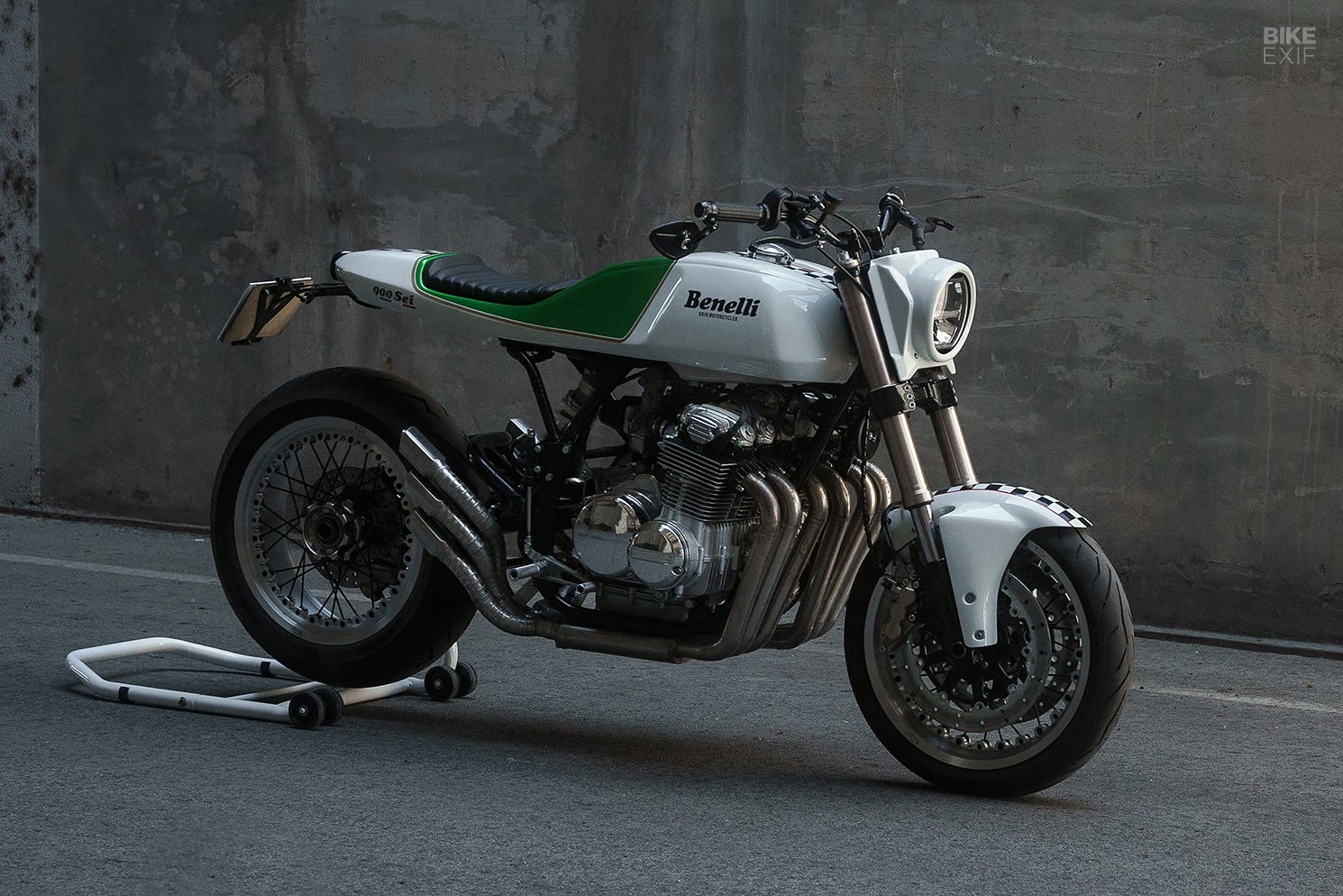
Pictured here is the up-version with a 900cc displacement that was introduced a year after the CBX.
A restoration and mod from Lisbon's, Portugal Unik Edition who took a rare 1979 Benelli 900 Sei and transformed it into modern piece of machinery.
The tank, seat and tail are a seamless 3D printed design.
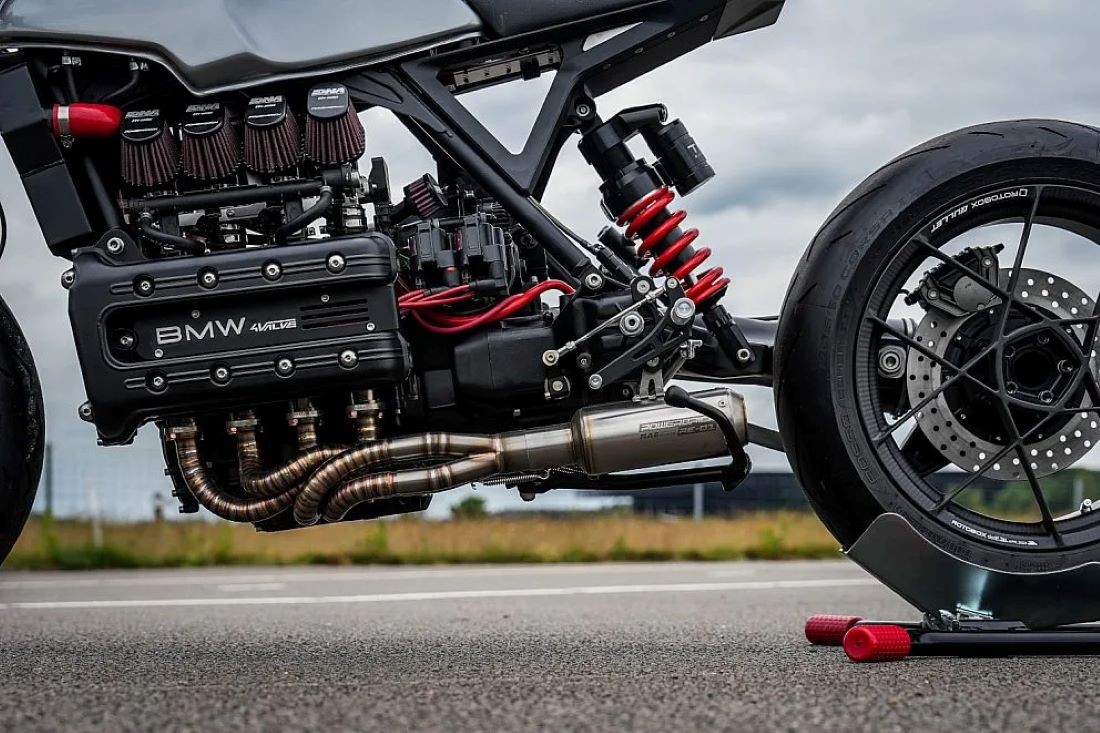
Flying Brick dominance by Powerbrick of the Netherlands. No figures given but since the bike in its original form made 100HP and that they used many R100RR parts, it's probably close to 200HP.
Lady Jane wrote200HP on a bike that weighs less than 400 pounds? Sign me tf up!...it's probably close to 200HP.
Roman wroteTo buy the bike, or as an organ donor at her hospital/clinic?????Lady Jane wrote200HP on a bike that weighs less than 400 pounds? Sign me tf up!...it's probably close to 200HP.

The single two-strokes BSA Bantam 125cc being ridden by Harvey Williams at Ballaugh Bridge where motorcycles briefly become airborne during the 1952 Isle of Man TT. And yes, he did smoke while riding.
The Bantam itself was derived from the pre-war DKW RT 125 design that BSA built under postwar licensing arrangements.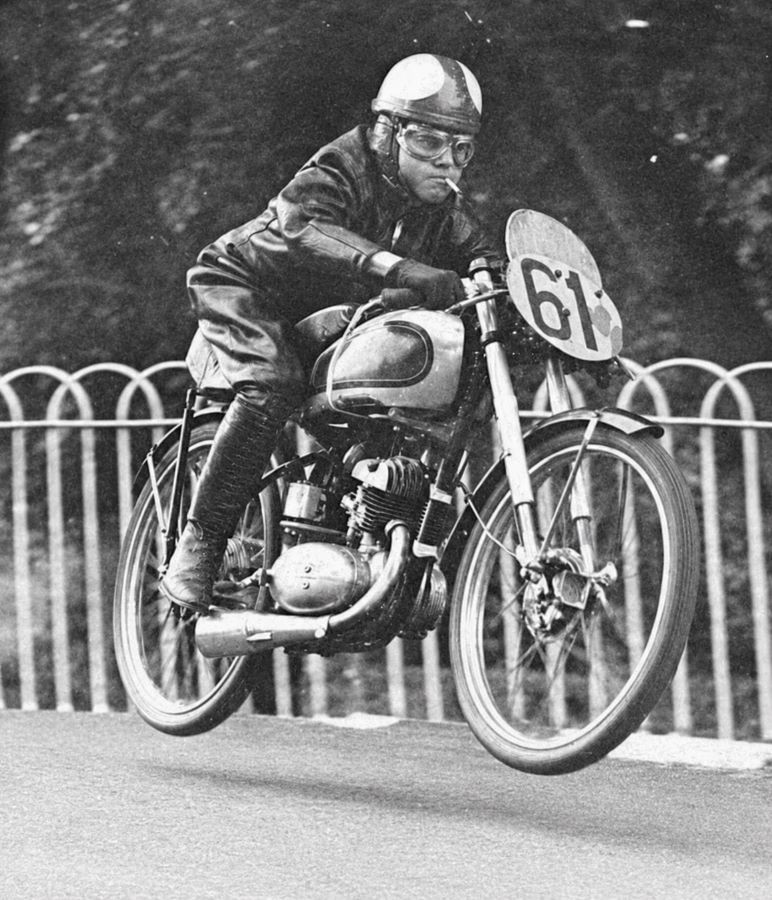
The Bantam itself was derived from the pre-war DKW RT 125 design that BSA built under postwar licensing arrangements.
- Displacement: 123 cc (often called 125cc)
- Power Output: 4.5 bhp (3.4 kW) It may have had a few more for racing purposes.
- RPM for Power: 5,000 RPM
- Top Speed: Around 45 to 46 mph (72 to 74 km/h)
BimotaTesi HP based on a Kawasaki supercharged in-line four making 231hp. With Tesi's iconic center hub steering. Come to mama... 
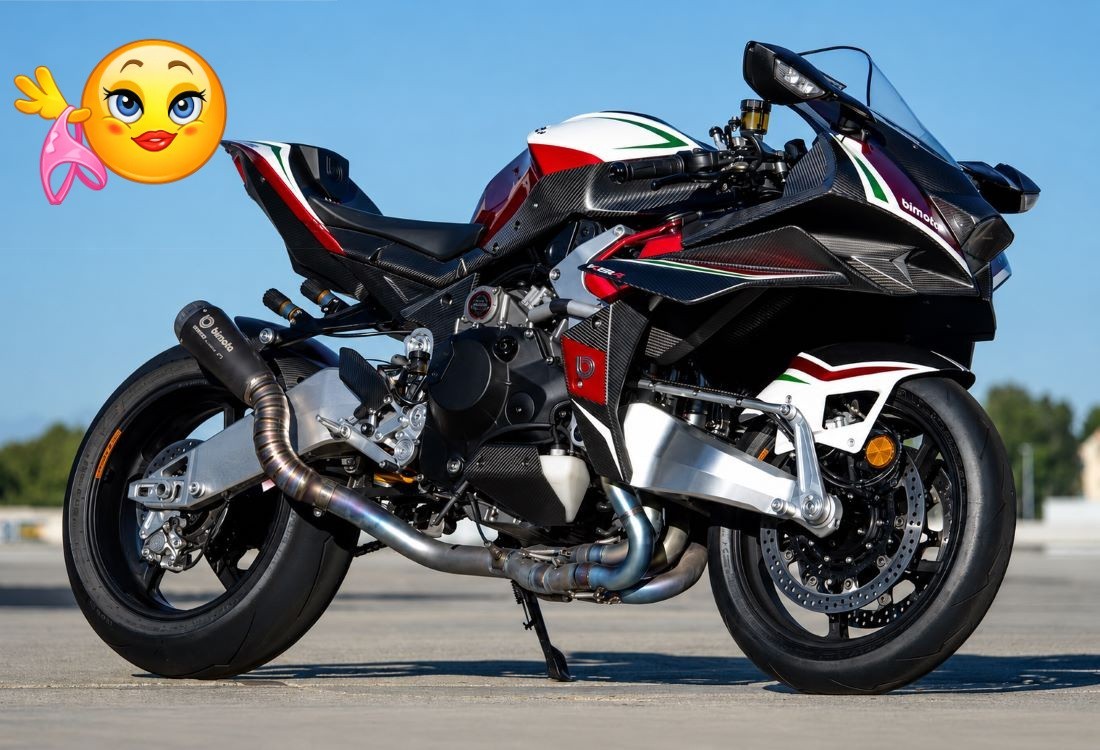
Lady Jane wroteInteresting tread pattern on that rear tire.BimotaTesi HP based on a Kawasaki supercharged in-line four making 231hp. With Tesi's iconic center hub steering. Come to mama...

Llarry wroteRace slicks......Interesting tread pattern on that rear tire.
 .
.
Lady Jane wroteInteresting. I've always associated Bimota with having Ducati powerplants. The dealer I bought my 09 848 from was a Bimota dealer. Shame what happened to that dealer. People I got to know left there when the owner decided to check out and sold to a corporate HD conglomerate. That dealer was also one of the few authorized to sell the Desmosedici.BimotaTesi HP based on a Kawasaki supercharged in-line four making 231hp. With Tesi's iconic center hub steering. Come to mama...
zx10guy wroteBimota doesn't make their own engines and have use donors from all brands, including the BMW S1000RR and a Mono using a BMW sourced Rotax single from their F-Series.Interesting. I've always associated Bimota with having Ducati powerplants.
Lady Jane wroteWait? You're saying the engine in all the generations of the RR isn't a BMW powerplant? If so, I think that's inaccurate.Bimota doesn't make their own engines and have use donors from all brands, including the BMW S1000RR and a Mono using a BMW sourced Rotax single from their F-Series.
But I am aware BMW doesn't make all the engines for their various models. The C650/C600 line use Kymco engines.
zx10guy wroteI didn't say that. BMW used Rotax engines for the F-Series not the RR. I don't know how you came to that conclusion. Bimota used the BMW Rotax for their Mono. Yes this can be a bit confusing.Wait? You're saying the engine in all the generations of the RR isn't a BMW powerplant? If so, I think that's inaccurate.
Lady Jane wroteRe-read your reply and misread it on the first pass. Sorry.I didn't say that. BMW used Rotax engines for the F-Series not the RR. I don't know how you came to that conclusion. Bimota used the BMW Rotax for their Mono. Yes this can be a bit confusing.
A couple of Bricks from a tuning firm in the Netherlands using parts from the RR.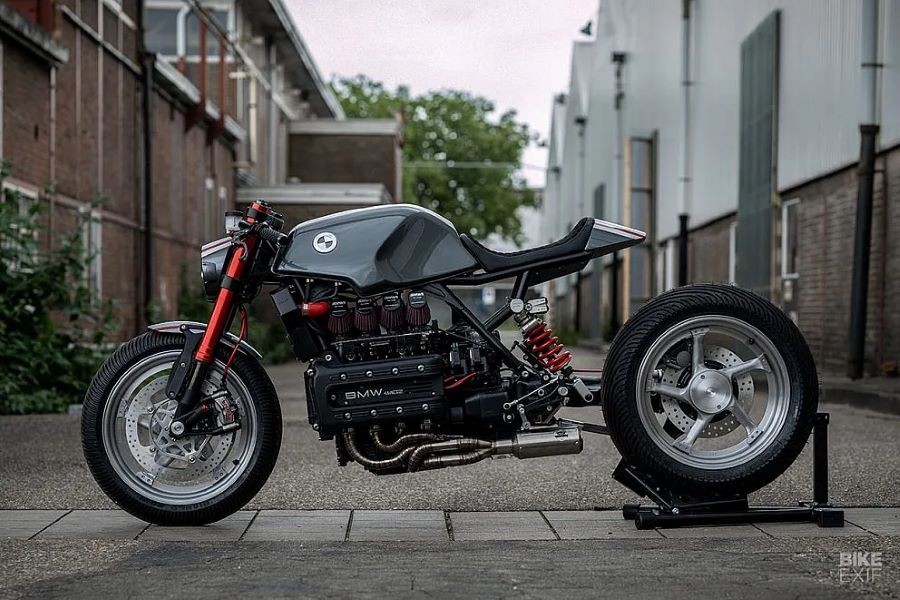

Lady Jane wroteAre you going to treat yourself to one as a reward for all the hard work?A couple of Bricks from a tuning firm in the Netherlands using parts from the RR.
Murf the Surf wroteNah. One is enough. For the moment.Are you going to treat yourself to one as a reward for all the hard work?

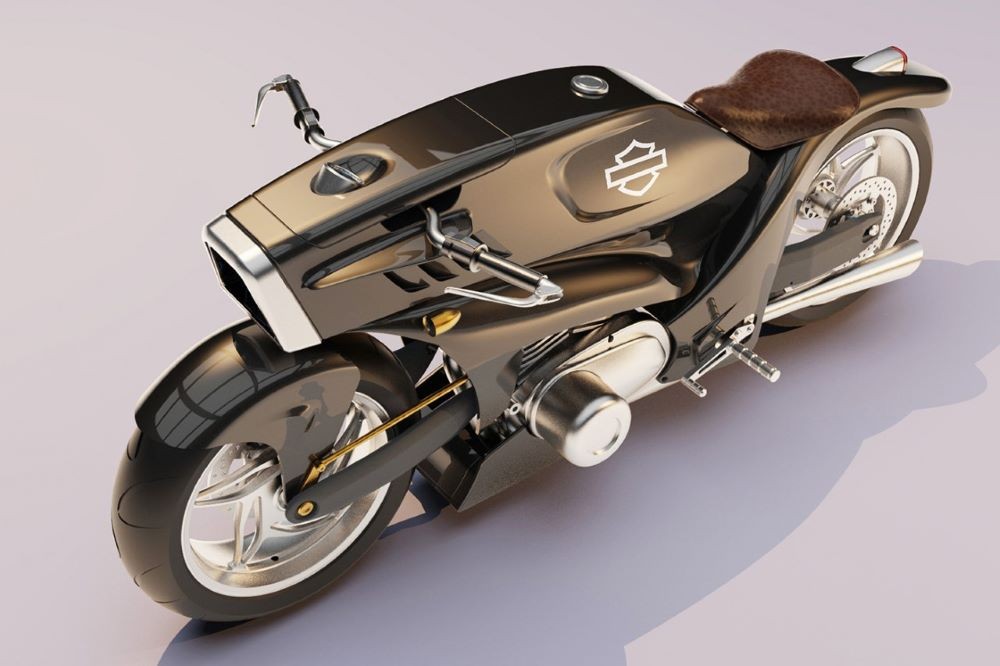
Harley Street Fighter concept. Hub steering and water cooled V-Twin. No performance figures given.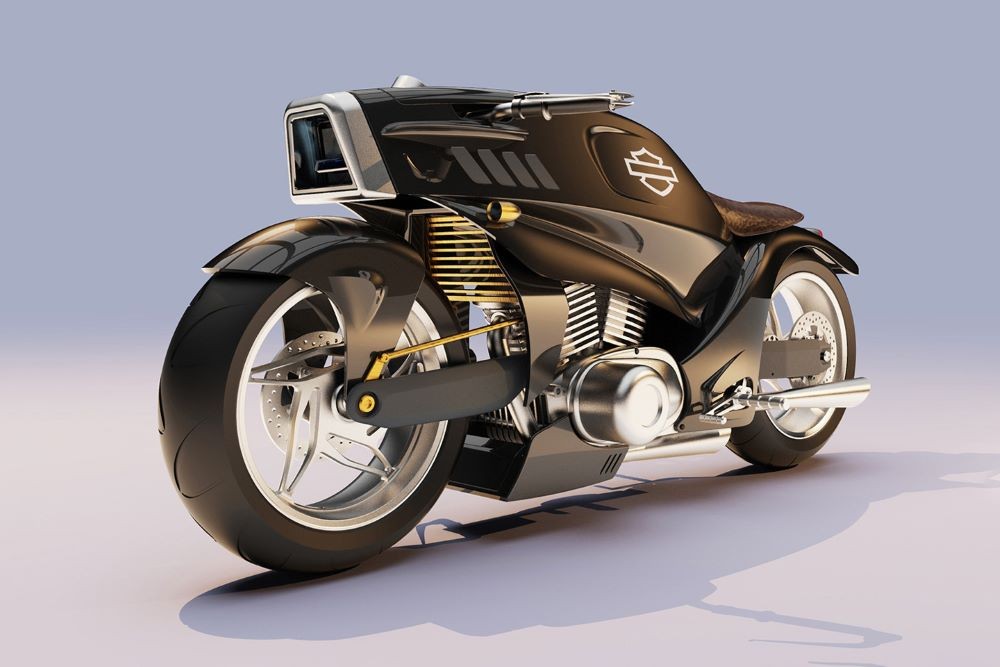
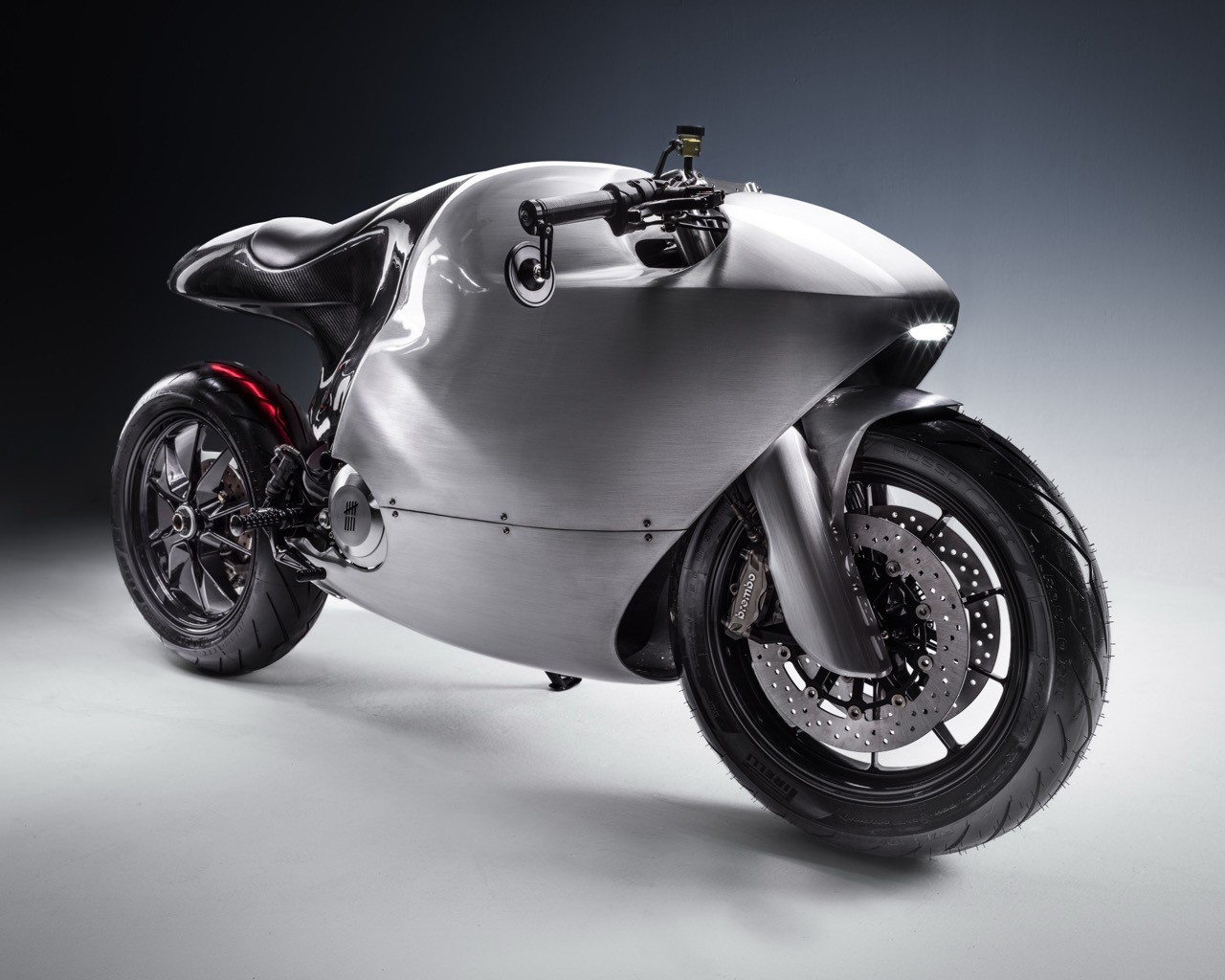
From Bandit Concepts in Vietnam. Hand formed aluminum front end with a carbon fiber rear end. Based on a Ducati 821cc Testastretta L-Twin from a Monster donor.